
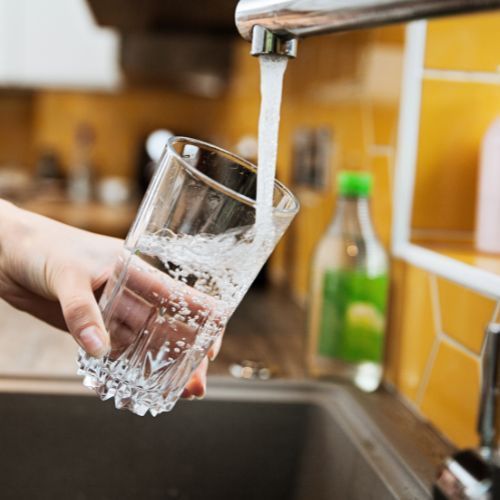
The Most Common Water Mistake One of the most dangerous assumptions homeowners make is also the most common. “My water looks clear, so it must be safe.” Unfortunately, appearance has very little to do with water safety. Some of the most harmful contaminants in drinking water are completely invisible. They don’t change color. They don’t change taste. They don’t change smell. By the time there are visible signs, the problem is often advanced. Let’s break down the most common water myths—and why believing them can put your home, health, and appliances at risk. Myth #1: Clear Water Means Clean Water This myth causes more complacency than any other. Water clarity only tells you one thing: there are no large particles suspended in the water. It tells you nothing about: • Bacteria • Viruses • PFAS • Heavy metals • Nitrates • Volatile organic compounds Many contaminants are microscopic and remain perfectly clear. In fact, water that looks crystal clear can still fail safety standards. Myth #2: If It Doesn’t Smell Bad, It’s Fine Odor is not a reliable safety indicator. Some contaminants produce strong smells. Many do not. Examples of odorless risks include: • Lead • Arsenic • PFAS • Nitrates • Bacteria at low concentrations Relying on smell gives a false sense of security. By the time water smells bad, the issue has often existed for a long time. Myth #3: City Water Is Always Safe Municipal (City) water is treated—but that doesn't mean it is contaminant-free. City water can still contain: • Disinfection byproducts • PFAS • Lead from aging pipes • Industrial runoff • Chloramines Water quality can also change due to: • Construction • Main breaks • Seasonal demand • Aging infrastructure Municipal treatment protects public supply—but it does not guarantee ideal water at your tap. Myth #4: Boiling Water Makes It Safe Boiling water does kill many bacteria and viruses. It does not remove: • PFAS • Heavy metals • Nitrates • Chlorine byproducts In some cases, boiling actually concentrates contaminants as water evaporates. Boiling is a temporary emergency step—not a long-term water solution. Myth #5: Bottled Water Is Safer Than Tap Water Many homeowners switch to bottled water, believing it is cleaner. In reality: • Bottled water is often filtered tap water • Quality standards vary widely • Storage conditions matter • Plastic leaching is a concern Bottled water also creates: • High recurring costs • Plastic waste • False confidence A properly designed home filtration system often produces water that is more consistent and more economical. Myth #6: Filters Remove Everything Not all filters are created equal. Different contaminants require different treatment methods . For example: • Carbon removes chlorine—not hardness • Softeners remove minerals—not bacteria • RO systems remove many contaminants—not all Using the wrong system is almost as risky as using no system at all. Water treatment must be matched to the problem. Myth #7: If No One Is Sick, the Water Is Fine Many water contaminants cause long-term exposure risks, not immediate symptoms. Examples include: • PFAS • Lead • Arsenic • Nitrates Health effects may take years to appear. Waiting for symptoms is not a safety strategy. Myth #8: Water Testing Is Only Needed Once Water quality changes over time. Factors that cause change include: • Pipe corrosion • Municipal treatment adjustments • Seasonal rainfall • Equipment aging • Groundwater shifts A test from years ago does not reflect today’s conditions. Regular testing provides early warning—before problems escalate. Myth #9: Soft Water Means Safe Water Soft water improves appliance life and plumbing protection. But water softeners do not remove: • Bacteria • PFAS • Chemicals • Heavy metals Soft water can still be unsafe water. Treatment systems must work together—not in isolation. Myth #10: Water Problems Are Obvious The most dangerous water problems are invisible. They don’t leave stains. They don’t clog pipes. They don’t smell bad. They quietly affect: • Health • Appliances • Plumbing • Energy efficiency By the time problems become obvious, damage is already occurring. Why These Myths Persist Water issues are difficult to see. Testing is often misunderstood. Marketing oversimplifies solutions. As a result, homeowners rely on assumptions instead of data. Clear water feels reassuring—but safety requires verification. The Smarter Approach: Test, Treat, Monitor Safe water is not about guessing. It is about: • Testing to identify contaminants • Treating with the correct technology • Monitoring to ensure performance This approach protects: • Your health • Your plumbing • Your appliances • Your long-term costs Final Thoughts: Clear Water Is Not a Guarantee The myth that “clear equals safe” is outdated—and dangerous. Modern water challenges require modern solutions. If you truly want safe water, don’t rely on appearance. Rely on facts. Because the most dangerous problems are the ones you cannot see.
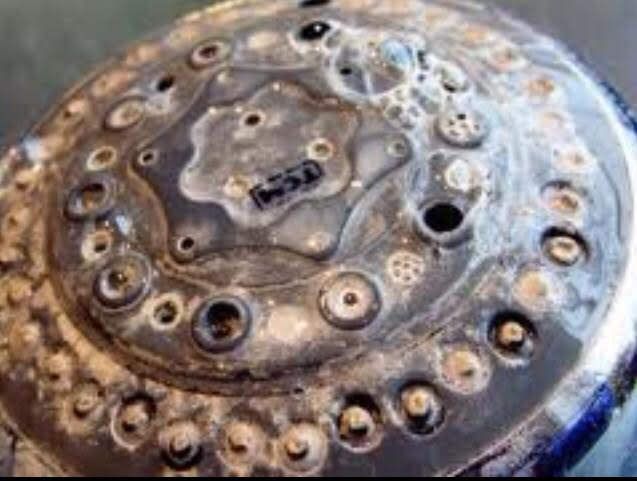
The Damage You Don’t See Most water damage doesn’t happen overnight. It builds slowly. Silently. Behind walls and inside appliances. Hard water is one of the most common—and expensive—causes of hidden damage in homes. While it may seem harmless, hard water creates long-term problems that reduce efficiency, shorten equipment lifespan, and increase repair costs. Understanding the difference between hard water and soft water is critical if you want to protect your plumbing and appliances. What Is Hard Water? Hard water contains elevated levels of dissolved minerals—primarily calcium and magnesium. These minerals are not harmful to drink. But they are extremely destructive to plumbing systems and appliances. When hard water is heated or evaporates, those minerals do not disappear. They harden into scale. Scale is the enemy. What Is Soft Water? Soft water has had hardness minerals removed or neutralized through a water softening process. Instead of mineral buildup, soft water flows cleanly through pipes and equipment. The difference isn’t cosmetic. It’s mechanical. Soft water reduces friction, buildup, and internal stress on plumbing systems. How Hard Water Damages Plumbing Over Time Hard water damage inside pipes is gradual—but relentless. As water flows, minerals stick to pipe walls. Over time, scale layers thicken. This leads to: • Reduced pipe diameter • Lower water pressure • Increased turbulence • Higher risk of leaks • Premature pipe failure Metal pipes corrode faster when scale traps moisture. Plastic pipes clog as mineral deposits accumulate. Most homeowners never see this damage until major repairs are needed. The Impact on Water Heaters Water heaters suffer some of the worst hard water damage. When hard water is heated: • Minerals fall out of solution • Scale settles at the bottom of the tank • Heating elements become insulated This causes: • Longer heating times • Higher energy consumption • Overheating of elements • Early tank failure Tankless water heaters are even more vulnerable. Scale buildup inside heat exchangers quickly reduces efficiency and can cause complete failure. How Hard Water Shortens Appliance Lifespan Appliances are designed to work with clean water flow. Hard water interferes with that design. Common appliance impacts include: Dishwashers • Spray arms clog • Heating elements scale • Detergent performance drops Washing Machines • Mineral buildup in hoses • Reduced cleaning efficiency • Higher soap usage • Mechanical strain Ice Makers • Clogged valves • Poor ice quality • Frequent breakdowns Manufacturers estimate hard water can reduce appliance lifespan by 30–50%. That cost adds up quickly. Energy Costs: The Hidden Expense Scale acts as insulation. When heating elements are coated in mineral deposits, they must work harder to do the same job. This results in: • Higher electric bills • Increased gas consumption • Longer run times • Reduced system efficiency Many homeowners blame rising energy costs on utility rates, when the real issue is scale buildup. Soft Water Protects Your Investment Soft water eliminates the root cause of scale. Over time, soft water systems provide: • Longer appliance lifespan • Improved plumbing performance • Lower energy costs • Reduced maintenance and repairs Soft water also allows detergents and soaps to work properly—using less product for better results. Maintenance Differences: Hard vs Soft Water Homes Homes with hard water typically experience: • Frequent plumbing service calls • Early appliance replacement • Descaling treatments • Higher maintenance costs Homes with soft water experience: • Predictable maintenance • Fewer emergency repairs • Longer equipment warranties • Lower lifetime ownership costs The difference becomes more dramatic over 10–20 years. Is Soft Water Only About Convenience? No. While benefits like softer laundry and spotless dishes are noticeable, the real value of soft water is asset protection. Your plumbing system and appliances represent tens of thousands of dollars in value. Hard water silently eats away at that investment every day. Signs Hard Water Is Damaging Your Home Many homeowners already have warning signs, including: • White scale on faucets and fixtures • Frequent appliance repairs • Low water pressure • Noisy water heaters • Short appliance lifespan • Excessive soap usage If you see these signs, damage is already occurring. Call Safeway Water Technologies to get soft water in your home now! Prevention Is Always Cheaper Hard water damage compounds over time. Once scale builds up, removal is difficult and expensive. Soft water stops the damage before it starts. Choosing to treat hard water is not about comfort. It’s about protecting plumbing systems. It’s about extending appliance life. It’s about lowering long-term costs. In the long run, soft water is not an expense. It is insurance for your home.

Most pet owners focus on high-quality food, regular vet visits, and plenty of love and exercise. But there is one daily essential that is often overlooked— water quality . Your pets drink water every single day. In many cases, they drink more water per pound of body weight than we do. If that water contains chlorine, heavy metals, bacteria, or other contaminants, it can quietly impact their health and comfort over time. Filtered water is not just a luxury for people. It can play a meaningful role in keeping pets healthier, happier, and more energetic throughout their lives. Pets Are More Sensitive to Water Quality Than You Think Dogs and cats are smaller than humans, which means contaminants in water affect them more quickly. A small amount of chlorine, lead, or sediment that may seem insignificant to a person can be much more concentrated for a pet. Municipal and well water can contain: Chlorine and chloramines Sediment and rust from aging pipes Heavy metals such as lead or copper Bacteria or organic matter Sulfur, iron, or other naturally occurring minerals While these contaminants may meet regulatory standards (check your tap water at EWG ), they are not designed with pet health in mind. Over time, exposure can contribute to subtle but persistent issues. Better-Tasting Water Means Better Hydration Pets are instinctively sensitive to taste and smell ( especially dogs, cats & horses). If water smells like chlorine or tastes metallic, many pets will simply drink less. This is especially harmful in cats, who are already prone to low water intake. Filtered water: Removes unpleasant odors and flavors Encourages pets to drink more frequently Supports proper hydration Proper hydration helps regulate body temperature, supports kidney function, and improves digestion. Pets that drink enough water are often more energetic and comfortable, especially as they age. Improved Digestion and Fewer Stomach Issues Many unexplained digestive problems in pets can be aggravated by poor water quality. Chlorine, bacteria, and sediment can irritate the gastrointestinal tract, particularly in pets with sensitive stomachs (like Great Danes and others). Filtered water can help: Reduce vomiting and diarrhea linked to irritation Support nutrient absorption Promote healthier gut function For pets already dealing with food sensitivities or allergies, removing one more potential irritant—unfiltered water—can make a noticeable difference. Healthier Skin and Shinier Coats Just like people, pets absorb water through their skin during bathing. Chlorine and harsh minerals can dry out the skin, leading to itching, dull coats, and excessive shedding. When pets drink and bathe with cleaner water: Skin stays more hydrated Natural oils are preserved Coats appear shinier and softer Less itching and scratching occurs This is especially beneficial for dogs with allergies, hot spots, or chronic skin conditions. Kidney and Urinary Health Support Cats and dogs are both susceptible to kidney and urinary tract issues, especially as they age. Clean water plays a critical role in flushing toxins from the body. Filtered water helps by: Reducing mineral buildup Lowering exposure to heavy metals Supporting healthy kidney function For cats in particular, proper hydration is one of the most important factors in preventing urinary blockages and kidney disease. Reduced Exposure to Harmful Contaminants Some contaminants in water have long-term health implications. Heavy metals and certain chemicals can accumulate in the body over time, placing stress on organs and the immune system in us and them. Filtered water can reduce exposure to: Lead and copper Volatile organic compounds Pesticides and industrial runoff Bacteria and cysts Less exposure means less stress on your pet’s body and a stronger overall immune response. Happier Pets Show It in Their Behavior When pets feel better, it shows. Pet owners who switch to filtered water often notice subtle but positive changes, such as: Increased energy Improved appetite Better sleep Fewer digestive upsets More playful behavior These changes are not dramatic overnight transformations, but steady improvements that contribute to a better quality of life. Filtered Water Benefits Multi-Pet Households In homes with multiple pets, water bowls are shared throughout the day. Cleaner water stays fresher longer and is less likely to develop odors or buildup. Filtered water: Keeps bowls cleaner Reduces slime and residue Encourages consistent drinking habits across pets This is particularly helpful for households with both dogs and cats, or pets of different ages. What About Pet Water Fountains? Pet water fountains can be helpful, especially for cats and horses, but they are only as good as the water used to fill them. If the source water is contaminated, the fountain simply recirculates the same poor-quality water. Using filtered water in pet fountains: Maximizes the benefit of the fountain Prevents mineral scaling Keeps pumps and filters cleaner longer A Simple Change With Long-Term Benefits Switching your pets to filtered water is one of the easiest ways to support their health. There are no medications, no special training, and no behavior changes required. Just better water in the bowl. Safeway Water Technologies~Fix Any Water supports healthy pets. We encourage you to make them as happy & healthy as you can. This includes their water. It's a small daily improvement that snowballs over time—supporting digestion, hydration, skin health, kidney function, and overall happiness. Clean Water Is Part of Responsible Pet Care Pet owners go to great lengths to choose the right food, toys, and healthcare. Water should be treated with the same level of care. If you would not drink unfiltered water every day, your pets should not have to either. Clean, filtered water helps pets feel better, act happier, and live more comfortably. Sometimes the simplest changes make the biggest difference—starting with what’s in the bowl.