safe ~ Smart ~ filtered

We’ll test your water, discuss your needs and help you choose what's best for you, your family and your business!


Serving Florida and beyond....


COMMERCIAL

RESIDENTIAL~MEDICAL


Change your lifestyle with a water filtration system installation

Serving All of Florida and beyond.....

Raising the Standard on Drinking Water

If you’ve been wondering about the quality of your water, now’s the time to set up Safeway Water filtration services. Safeway Water Technologies/Fix Any Water offers a wide range of filtration systems and services. These include Safeway Water Softeners, RO (Reverse Osmosis), All-in-One (AiO) systems for iron and sulfur, deionized water, whole home systems, UV light systems, salt, service, repairs and specialized systems all based on your needs. All available in residential, medical (ST108) and commercial. We also provide water testing to know your water’s pH levels, hardness, TDS, chlorine level, bacteria level and more. We use these tests to find the ideal water treatment service for you.


Use a water filtration system for a sustainable future

Did you know that relying on bottled water is harming our ecosystem? You and you business can be part of the solution by switching from bottled to filtered water. Fix Any Water can help you find the right water filter system installation for your home, office and business.

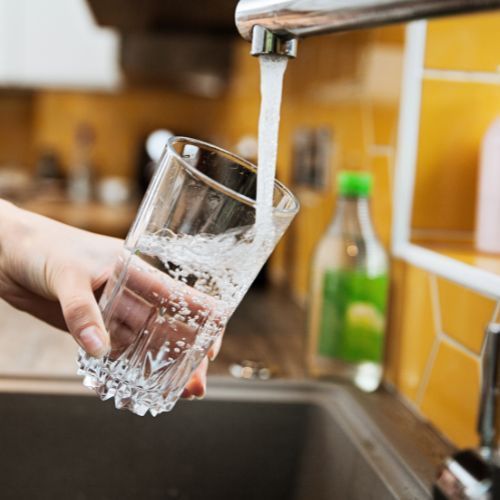
A person is pouring water into a glass from a faucet.

Explore our custom filter

installation process

Safeway Water Technologies never cuts corners on our water filter system installations.

Trust us to go through each of the following steps:

Consultation: We’ll arrange a time to discuss your goals and current water system.


Evaluation: We’ll look at any existing water equipment and investigate your current water source.

Water testing: We’ll test your water for pH level, sulfur, chlorine, iron, hardness, TDS and more.

Custom system design: We’ll create a custom water filtration and/or purification system for your property.

Installation: We’ll handle the water system installation, connecting it to the main water supply line.


By Patricia Verdone March 19, 2026
The Hidden Problem in Plain Sight Most people assume their ice is clean. It’s cold. It looks clear. It comes from the same water they drink. But in reality, your ice maker can be one of the dirtiest water sources in your home or restaurant. Why? Because ice makers combine water, darkness, moisture, and inconsistent maintenance—the perfect environment for contamination. And unlike your faucet, ice often goes untested, unfiltered, and unchecked. Why Ice Makers Are So Vulnerable Ice makers are not just simple water dispensers. They are small, enclosed systems with multiple components: • Water supply lines • Internal tubing • Storage bins • Freezing plates • Dispensing mechanisms These areas are often: • Damp • Dark • Rarely cleaned • Exposed to air and handling That combination creates ideal conditions for buildup and bacterial growth. The Role of Biofilm One of the biggest risks inside ice makers is biofilm. Biofilm is a slimy layer of bacteria that forms on wet surfaces. Once it starts, it spreads quickly. In ice machines, biofilm can develop in: • Water lines • Internal reservoirs • Ice storage bins It is often invisible at first. But over time, it becomes a breeding ground for bacteria and contaminants. Even worse, freezing temperatures do not kill all bacteria. They simply slow growth. Mold and Mildew in Ice Bins Many don’t realize that mold can grow inside ice makers. Ice bins are frequently opened, exposing them to: • Airborne contaminants • Dust • Hands reaching in for ice Moisture remains inside even when the ice is frozen. This creates an environment where mold and mildew can develop along walls, seals, and corners. Signs include: • Musty odors • Black or pink residue • Slime buildup If you see it, contamination is already advanced. Hard Water Makes It Worse If your kitchen has hard water, your ice maker is under even more stress. Hard water contains calcium and magnesium minerals. When water freezes, these minerals separate and form deposits. This leads to: • Scale buildup inside the machine • Clogged water lines • Reduced efficiency • Cloudy or poor-quality ice Scale also creates rough surfaces where bacteria can attach and grow more easily. Why Your Ice Might Look Cloudy Clear ice is often a sign of better water quality and proper freezing. Cloudy ice usually indicates: • Dissolved minerals (hard water) • Trapped air • Sediment or impurities While cloudy ice is not always dangerous, it often signals that your water is not being properly treated. And if minerals are present, other contaminants may be as well. Filters Are Often Ignored or Expired Many refrigerators and ice makers include built-in filters. But here’s the problem: Most forget to change them. An expired filter can: • Stop removing contaminants • Become clogged • Harbor bacteria Instead of improving water quality, an old filter can actually make it worse. Manufacturers typically recommend changing filters every 6 months. In many places, they go unchanged for years. Ice Bypasses Many Filtration Systems Even with water filtration systems , many may still have issues. Why? Because not all filtration systems treat every water line. For example: • Whole house filtration improves overall water quality • But refrigerator lines may still accumulate buildup over time • Point-of-use filters may not address bacteria growth inside the machine That means your drinking water may be clean—while your ice is not. Health Risks of Contaminated Ice Dirty ice is not just unpleasant. It can pose real health risks. Potential issues include: • Bacterial exposure • Mold contamination • Biofilm ingestion • Off-tastes and odors For most healthy individuals, exposure may be mild. But for: • Children • Elderly individuals • Immunocompromised people The risks increase significantly. Ice is often overlooked in food safety—but it should not be. The Impact on Taste and Quality Even if contamination is not obvious, your ice may still affect taste. Impurities in water become concentrated when frozen. This can lead to: • Bitter or metallic taste • Strange odors • Poor beverage quality Restaurants and hotels invest heavily in ice filtration for this reason. Homeowners should take it just as seriously. Signs Your Ice Maker Needs Attention Your ice maker may need cleaning or treatment if you notice: • Cloudy or odd-looking ice • Bad taste or smell • Slime or residue inside the bin • Slow ice production • Frequent clogs or jams These are warning signs—not minor issues. Ignoring them allows the problem to grow. How to Fix the Problem Improving ice quality starts with a combination of cleaning, maintenance, and proper water treatment. 1. Regular Cleaning Ice makers should be cleaned periodically. This includes: • Emptying the bin • Wiping down interior surfaces • Sanitizing accessible components 2. Replace Filters on Schedule Do not wait until performance drops. Set reminders to replace filters every 6 months—or sooner if needed. 3. Address Hard Water Installing a water softener helps prevent scale buildup. This protects both the ice maker and your plumbing system. 4. Upgrade Filtration Consider adding: • Carbon filtration for chlorine and taste • Reverse osmosis for drinking and ice • Whole house filtration for overall protection Better water going in means cleaner ice coming out. 5. Periodic Professional Service In some cases, especially for high-use households, professional cleaning or inspection may be beneficial. Why This Matters More Than You Think Ice is something you consume daily. In drinks. In food. In cooling. Yet it is one of the least monitored water sources in the home. Unlike your faucet, you don’t see the system behind it. That lack of visibility leads to neglect. Clean Water Should Mean Clean Ice Your ice maker is only as clean as: • The water feeding it • The filter protecting it • The maintenance it receives If any of those fail, your ice quality suffers. And in many homes, it already has. The good news is this problem is preventable. With proper water filtration, softening, and maintenance, you can ensure your ice is just as clean as the water you drink. Because when it comes to your home, clean water should include every form it takes—even ice.
By Patricia Verdone March 12, 2026
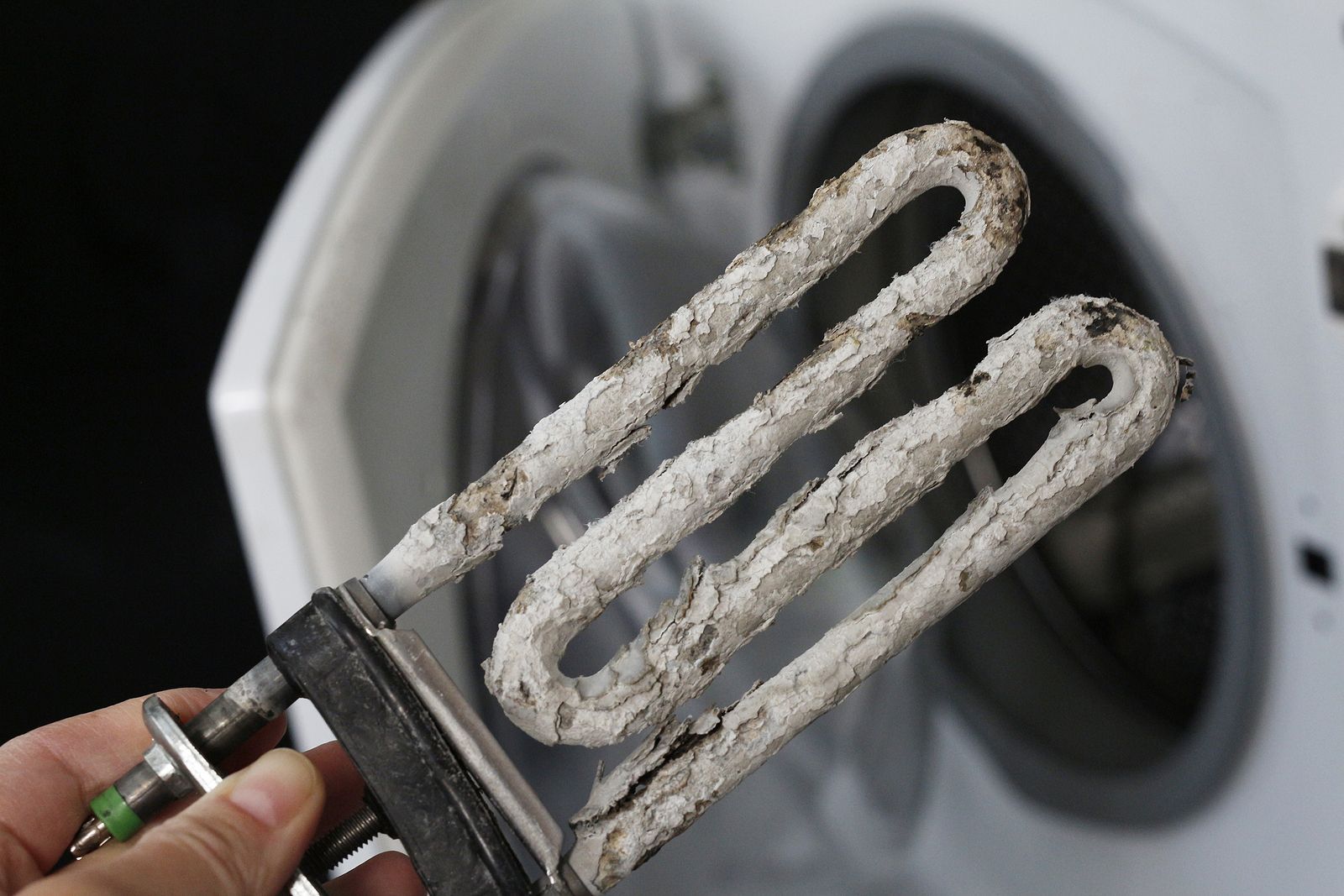
Many homeowners believe that because their water comes from a municipal supply , it must be completely safe and clean. City water is treated to meet regulatory standards. That treatment removes many harmful pathogens and contaminants before the water reaches your home. However, “treated” does not mean “pure.” In 2026, water quality experts agree that city water can still contain a variety of substances that affect taste, odor, plumbing systems, appliances, and even long-term health. Aging infrastructure, new contaminants, and evolving regulations all influence what flows from your tap. Understanding what may be in your water is the first step toward making informed decisions about home water filtration, whole-home water softeners , and water purification systems. How Municipal Water Is Treated Before reaching your home, municipal drinking water goes through several treatment steps designed to protect public health. Typical treatment includes: • Coagulation and clarification to remove particles • Filtration to reduce sediment and debris • Disinfection using chlorine or chloramines to kill bacteria and viruses • Distribution through pipelines to homes and businesses These processes are effective at preventing waterborne disease. They are one of the greatest public health achievements in modern history. But municipal treatment is designed to meet minimum regulatory standards, not to remove every substance that may affect water quality. Chlorine and Chloramines Most city water systems use chlorine or chloramines as disinfectants. These chemicals prevent bacteria and pathogens from growing in the distribution system. While effective for sanitation, chlorine can create other issues for homeowners. Common concerns include: • Strong taste or odor • Dry skin and hair • Fading clothing • Damage to rubber seals and plumbing components Chlorine also reacts with organic matter in water, forming compounds known as disinfection byproducts. These byproducts are regulated but still present in many water systems. Many homeowners install carbon filtration systems to reduce chlorine and improve water quality throughout the home. Hard Water Minerals Even when water is safe to drink, it can still be considered hard water. Hard water contains dissolved minerals such as calcium and magnesium. These minerals are naturally present in groundwater and surface water sources. Hard water causes a range of household issues, including: • White scale buildup on faucets and fixtures • Reduced water heater efficiency • Shortened appliance lifespan • Soap residue on dishes and shower doors • Dry skin and dull hair Over time, scale can accumulate inside pipes, water heaters, and dishwashers. Installing a whole-home water softener removes hardness minerals and protects plumbing systems from scale damage. PFAS and “Forever Chemicals” One of the biggest water quality concerns in 2026 is the presence of PFAS, often called “forever chemicals.” PFAS are synthetic compounds used in manufacturing, firefighting foams, and stain-resistant materials. These chemicals persist in the environment and can accumulate in water sources. Potential health concerns linked to PFAS exposure include: • Hormonal disruption • Immune system effects • Increased risk of certain cancers Because PFAS are extremely stable, they are difficult to remove using conventional municipal treatment. Advanced water filtration systems, such as reverse osmosis or specialized carbon filtration, are often used to reduce PFAS in drinking water. Lead From Plumbing Systems Even when municipal water leaves the treatment plant in excellent condition, it can pick up contaminants as it travels through aging infrastructure. One of the most concerning examples is lead. Lead may enter drinking water through: • Older municipal service lines • Lead solder in plumbing connections • Corroded household pipes Lead is especially dangerous for infants and young children, where exposure can affect development. Modern home water filtration systems can reduce lead and other heavy metals at the point of use. Microplastics in Drinking Water Another emerging topic in water quality research is microplastics. Microplastics are tiny fragments of plastic that originate from packaging, textiles, and environmental pollution. These particles have been detected in many water supplies worldwide. Scientists are still studying the long-term health implications of microplastic exposure. However, the presence of these particles highlights the complexity of modern water challenges. Certain water purification systems and reverse osmosis filtration systems can reduce microplastics in drinking water. Nitrates and Agricultural Runoff In many regions, nitrates enter water supplies through agricultural runoff or fertilizer use. Nitrates are especially concerning for infants because they can interfere with the blood’s ability to carry oxygen. Municipal systems monitor nitrate levels, but concentrations may fluctuate due to environmental conditions such as rainfall and farming activity. Reverse osmosis systems are commonly used to reduce nitrates in drinking water. Aging Infrastructure Water distribution infrastructure across the United States continues to age. Many municipal pipe systems are decades old. Over time, corrosion, leaks, and biofilm buildup can affect water quality. Aging infrastructure may introduce: • Rust and sediment • Pipe scale • Trace metals • Fluctuating water pressure While utilities work to maintain and replace infrastructure, homeowners often add whole-house water filtration systems to provide an additional layer of protection. Why Water Quality Changes Over Time Water quality is not static. It can change due to: • Seasonal rainfall and drought • Changes in municipal treatment practices • Infrastructure repairs • Source water variations • Population growth and demand A water report from several years ago may not accurately reflect current conditions. Regular testing and monitoring help homeowners stay informed about what is in their water today. The Role of Home Water Filtration Many homeowners choose to install home water filtration systems to improve water quality beyond basic municipal treatment. Common solutions include: Carbon filtration systems Reduce chlorine, taste, and odor. Whole-home water softeners Remove hardness minerals and prevent scale buildup. Reverse osmosis systems Provide advanced purification for drinking water. Whole-house filtration systems Improve water quality for every faucet, shower, and appliance. These systems help homeowners take control of their water rather than relying solely on municipal treatment. Signs Your Water May Need Treatment Some signs of water quality issues are easy to notice, while others are not. Common indicators include: • Chlorine taste or odor • White mineral deposits on fixtures • Dry skin or brittle hair after showering • Reduced appliance efficiency • Cloudy or metallic-tasting water However, many contaminants are invisible. Testing is the most reliable way to understand what is actually in your water. Final Thoughts: Knowledge Is the First Step City water treatment has dramatically improved public health. But in 2026, homeowners face new challenges related to aging infrastructure, emerging contaminants, and mineral buildup. Understanding what may be present in municipal water allows homeowners to make informed decisions about water filtration, water softening, and water purification systems. When it comes to protecting your family, plumbing, and appliances, the smartest approach is simple: Test your water. Understand the results. Treat the problem at its source. Because the quality of the water in your home affects far more than just what you drink.
By Patricia Verdone March 5, 2026
Water coming from your tap may look the same during a drought. But chemically, biologically, and operationally — it is often very different. Drought changes drinking water in ways most people never see. Utilities must work harder. Contaminants become concentrated. Treatment processes shift. And homeowners may begin noticing problems without understanding why. Let’s break down what really happens to drinking water during drought conditions. Less Water Means Higher Concentrations Water systems depend on rainfall to dilute contaminants naturally. When drought occurs: Reservoirs shrink Rivers slow down Aquifers recharge less Groundwater pumping increases The same contaminants remain in the water supply — but there is less water to dilute them. This leads to higher levels of: Total dissolved solids (TDS) Minerals that cause hard water Nitrates PFAS and other persistent chemicals Chlorides and salinity In coastal Florida areas, especially, drought can allow saltwater to move into freshwater aquifers. This process is called saltwater intrusion, and it permanently changes water chemistry if not controlled. Why Water Treatment Becomes More Difficult During normal conditions, flowing water stays oxygenated and balanced. During drought, water becomes warmer and stagnant. This creates ideal conditions for: Organic buildup Bacterial growth Algae blooms Taste and odor problems Utilities must increase treatment intensity to maintain safe drinking water. That often means: Higher chlorine dosing Additional filtration More frequent system flushing While necessary, these adjustments can create secondary effects that homeowners notice. The Rise of Algae and Organic Compounds One of the biggest drought impacts is increased algae growth. When water levels drop and temperatures rise, reservoirs and lakes experience blooms of cyanobacteria. These organisms produce compounds such as: ~Geosmin & MIB (musty or earthy odors) Your water may suddenly smell like dirt, grass, or mildew — even though it remains disinfected. More concerning, algae increases organic material in water. When chlorine reacts with organics, it forms disinfection byproducts. ~Increased Disinfection Byproducts (DBPs) Utilities must disinfect water to keep it safe from pathogens. But drought conditions increase organic matter. When chlorine reacts with these organics, it forms compounds like: ~Trihalomethanes (THMs) ~Haloacetic acids (HAAs) These are regulated because long-term exposure at elevated levels may pose health risks. Utilities carefully balance safety and compliance, but drought makes this process more challenging. Groundwater Changes During Drought When surface water declines, cities rely more heavily on groundwater wells. Groundwater is naturally different from surface water. It often contains higher levels of: Calcium and magnesium (hardness) Iron and manganese Sulfur compounds Dissolved solids This is why many homeowners notice during dry periods: White scale buildup Staining Dryer skin and hair Appliance wear Your plumbing feels the change even if you do not immediately connect it to drought conditions. Older Water in Pipes Creates New Problems Another hidden effect is something called water age. When water demand drops or supply changes, water may sit longer inside pipelines. Older water can experience: Loss of disinfectant residual Biofilm growth Sediment disturbance Temporary discoloration Utilities often flush hydrants to manage this, which sometimes causes short-term cloudy or colored water. Private Wells Are Even More Vulnerable Well owners are usually impacted first during drought. Common issues include: Falling water tables Pumps pulling sediment Increased bacteria risk Higher nitrate concentrations Changes in taste and odor Shallow wells are especially sensitive to changing groundwater levels. Routine testing becomes critical during extended dry periods. Why Clear Water Is Not Always Safe Water One of the biggest misconceptions is: “ My water looks clear, so it must be fine .” Clarity only tells you about particles. It says nothing about dissolved contaminants or chemical balance. During drought, many changes are invisible: Dissolved minerals Chemical byproducts Organic compounds Salinity shifts Professional testing is the only way to truly understand water quality. How Homeowners and Businesses Can Protect Themselves Drought conditions are exactly when proper filtration matters most. Recommended steps include: 1. Test Your Water - Annual testing becomes more important during dry conditions. 2. Improve Filtration - Systems that help stabilize water quality include: Carbon filtration for chlorine and organics Water softeners for mineral control Reverse osmosis for dissolved contaminants UV disinfection for biological protection 3. Maintain Existing Equipment - Filters and media work harder during drought and may require more frequent service. 4. Monitor Changes & Pay attention to: Taste differences Odor changes Scale buildup Staining or discoloration These are early warning signs. The Future of Drinking Water in Drought Conditions Across the country, drought is changing how water is treated. Utilities are investing in: Advanced membrane filtration Water reuse systems Desalination Localized treatment solutions For homeowners and businesses, point-of-use and point-of-entry filtration systems are becoming essential tools for consistent water quality. Drought does not just reduce water supply. It changes water chemistry, increases contaminants, and forces treatment systems to work harder. Your water may still flow normally. It may still look clear. But what is happening inside that water can be very different. Understanding these changes helps protect: Your health Your plumbing Your appliances Your business operations Because when conditions change, your water should remain reliable. And remember — not all water is treated equally.

Get a free estimate on your water filter system installation

by calling  866-928-3795 now.

Or our local offices:

In Deland area -  386-279-4040

In Okeechobee area -  863-532-1805

And on the west coast of Fl -  941-740-7721


You Deserve Clean Water

A black and white drawing of three drops of water on a white background.
Let us handle your water filtration~treatment services
Safeway Water Technologies ~ Fix Any Water
Safe. Smart. Filtered.
Safeway Water Technologies ~ Fix Any Water
Safe. Smart. Filtered.
Safeway Water Technologies ~ Fix Any Water
Safe. Smart. Filtered.
Safeway Water Technologies ~ Fix Any Water
Safe. Smart. Filtered.
Safeway Water Technologies ~ Fix Any Water
Safe. Smart. Filtered.