What Health Inspectors Look for in Water Systems (And What They Don’t Tell You)
Let’s Be Real About Inspections
If you own or manage a business—restaurant, hotel, medical facility, or anything in between—you already know inspections are part of the game.
And when it comes to water, most people think:
“If it’s running, we’re fine.”
But that’s not how inspectors look at it.
At Pure Path Water Systems, we work with businesses all over Florida, and we see the same thing over and over again. Owners focus on what they can see. Inspectors focus on what can go wrong.
And when it comes to commercial water systems, there’s a gap between what’s obvious… and what actually matters.
Let’s walk through what health inspectors are really looking for—and what they don’t always explain.
They’re Looking for Safe, Consistent Water—Not Just “Working” Water
The first thing to understand is this: Inspectors are not just checking if water comes out of the tap.
They are evaluating whether your water is safe, consistent, and reliable.
That will include how water is delivered, stored, treated, and maintained.
If your system is inconsistent, that raises red flags.
Because inconsistency leads to risk.
Temperature Control Is a Big Deal
In food service and hospitality, water temperature matters more than most people realize.
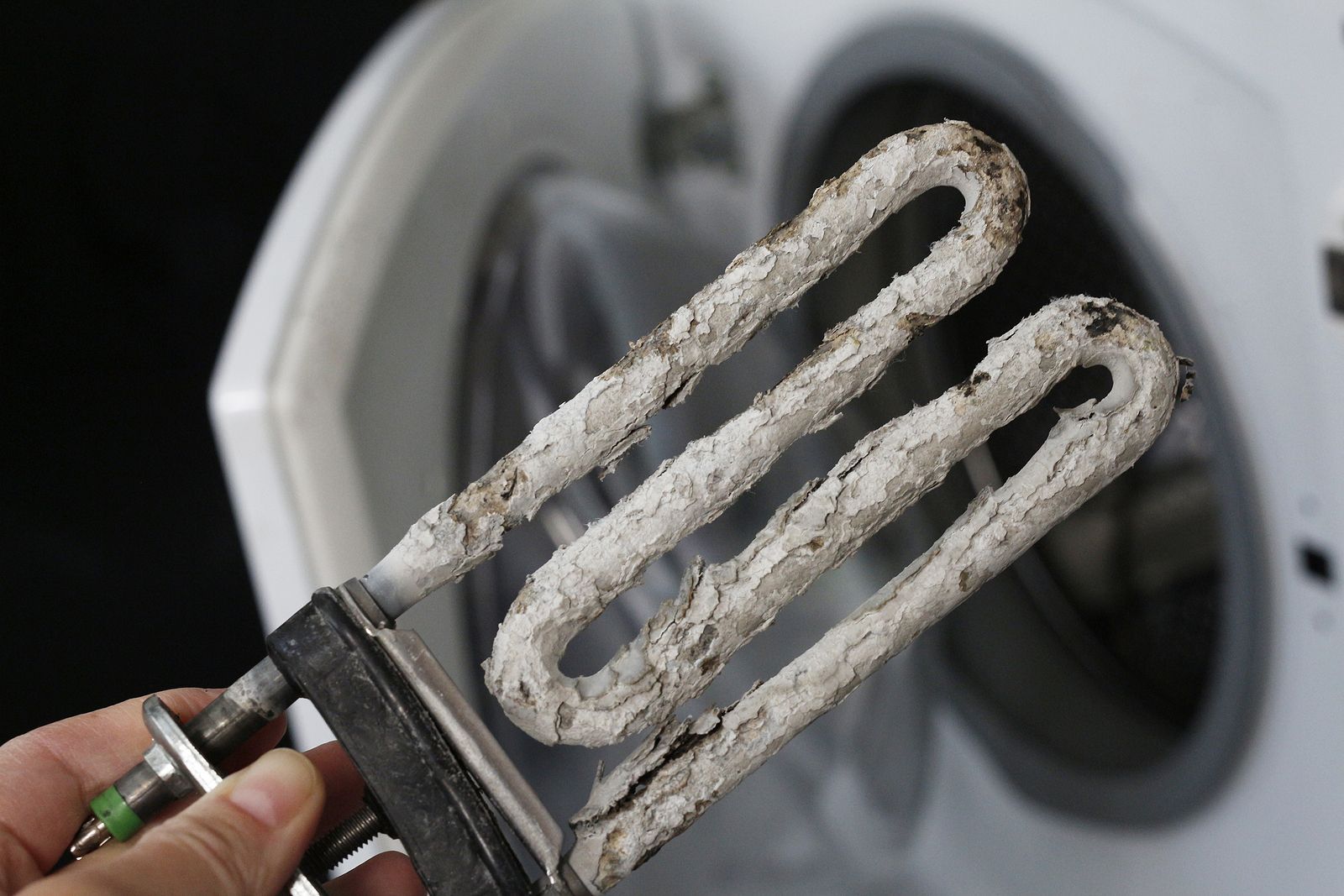
Inspectors pay close attention to whether hot water is hot enough for sanitation, available when needed, and consistent across all fixtures. If your water heater is struggling due to scale buildup or poor maintenance, you may not hit the required temperatures. And that can lead to failed inspections, sanitation concerns, and operational issues.
This is one of the first places where hard water starts to hurt businesses.
Cross-Connection and Backflow Protection
Another thing inspectors look for is protection against contamination entering your clean water supply.
This is where backflow prevention comes in.
If there’s any risk that contaminated water could flow back into your system, it’s a serious issue.
This applies to commercial kitchens, medical facilities, and manufacturing setups.
Improper or missing backflow protection can lead to immediate violations.
Ice Machines Get More Attention Than You Think
A lot of business owners don’t realize how closely ice machines are inspected.
Ice is considered food.
So inspectors are looking at cleanliness inside the machine, signs of slime or buildup, and the water quality feeding the unit. ,If your water filtration system isn’t doing its job, or if maintenance is lacking, ice machines become a problem fast. This is one of the most common areas where businesses get flagged.
Visible Scale and Residue Are Red Flags
Inspectors notice what customers notice.
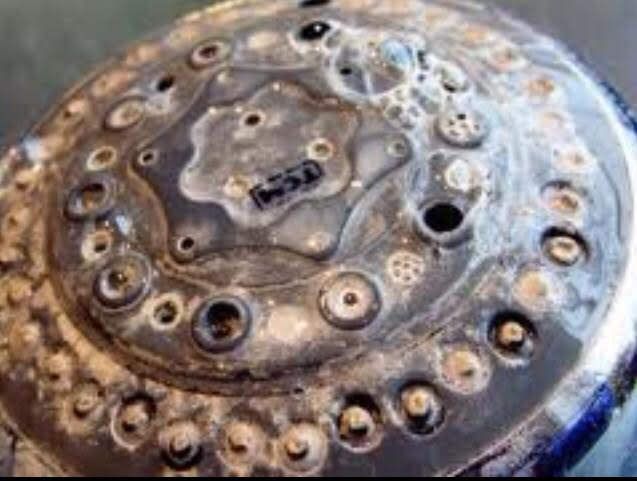
If there’s scale buildup on faucets, sprayers, or equipment, it signals a bigger issue.
Hard water doesn’t just affect performance—it affects perception.
It tells an inspector that this system isn’t being properly maintained, the
Water quality may not be controlled, and the
Equipment may not be operating efficiently.
A properly maintained commercial water softener can eliminate most of these issues.
They Pay Attention to Equipment Condition
Inspectors look beyond the surface.
They’re paying attention to:
- Water heaters
- Dishwashers
- Steam equipment
- Coffee machines
- Any system that relies on water
If equipment shows signs of stress—corrosion, buildup, inconsistent performance—it raises questions.
Not just about the equipment… but about the water quality feeding it.
What They Don’t Tell You: Water Quality Is the Root Cause
Here’s where things get interesting.
Inspectors will point out issues.
But they usually won’t tell you why those issues are happening.
For example, they may flag a dishwasher for not sanitizing properly.
But they won’t tell you scale buildup is reducing efficiency.
They may note residue on glassware.
But they won’t explain it’s due to untreated hard water.
They may cite an ice machine for cleanliness.
But they won’t connect it to poor filtration.
That’s the gap.
And that’s where most businesses miss the bigger picture.
Preventive Maintenance Is What They Really Want to See
Even if nothing is currently failing, inspectors want to see that you’re in control.
That means having a plan. Not reacting after something breaks.
They want to know if this system is being maintained. Is water quality being monitored?
Are problems being prevented?
This is where preventive water maintenance becomes critical.
Businesses that rely on emergency repairs instead of maintenance are always one step behind.
And inspectors can tell.
Documentation Matters More Than You Think
In many cases, it’s not just what you’re doing—it’s what you can prove.
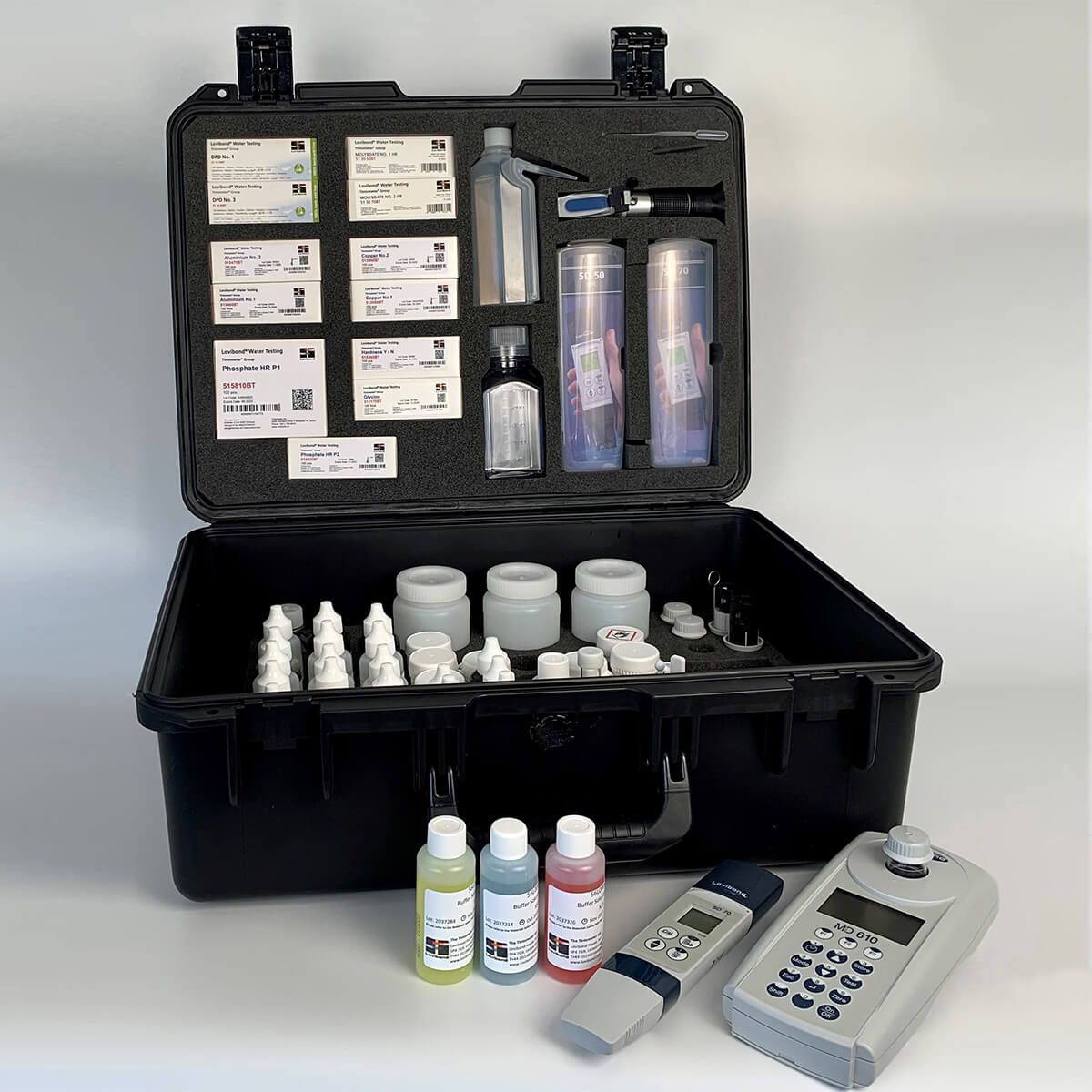
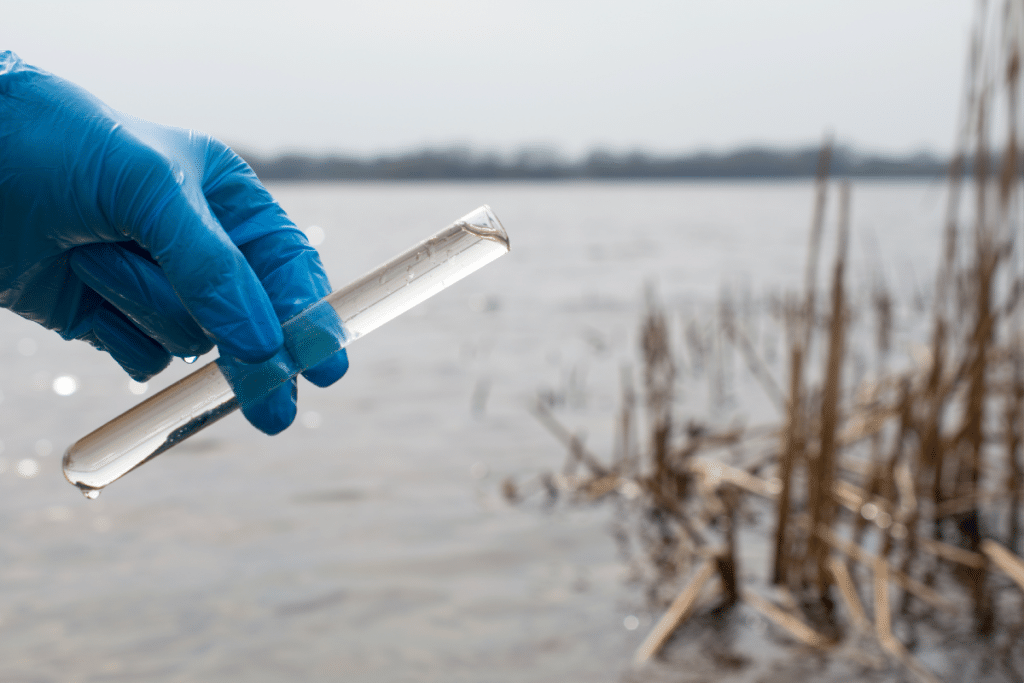
If you have: Regular service records, Water testing results, and Filter replacement logs
You’re in a much stronger position.
It shows that you’re managing your system, not ignoring it.
This is especially important in Medical facilities, Food service,
and Hospitality environments where water quality directly impacts safety and compliance.
The Hidden Risks Inspectors Are Watching For
Even when they don’t say it directly, inspectors are thinking about risk.
They’re asking: Could this system fail? If it does, what happens?
How quickly would it be caught?
Water systems that are poorly maintained or untreated increase the risk.
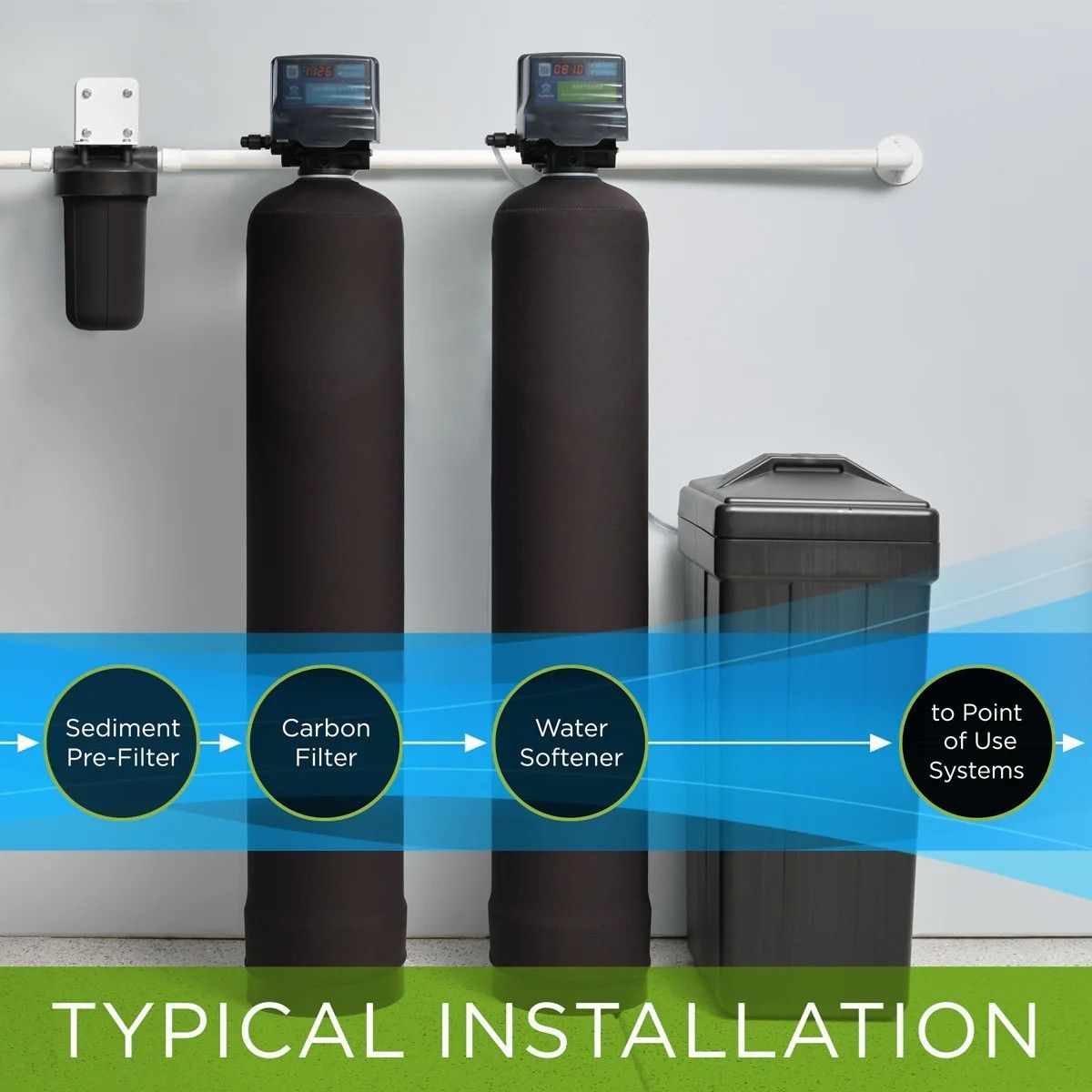
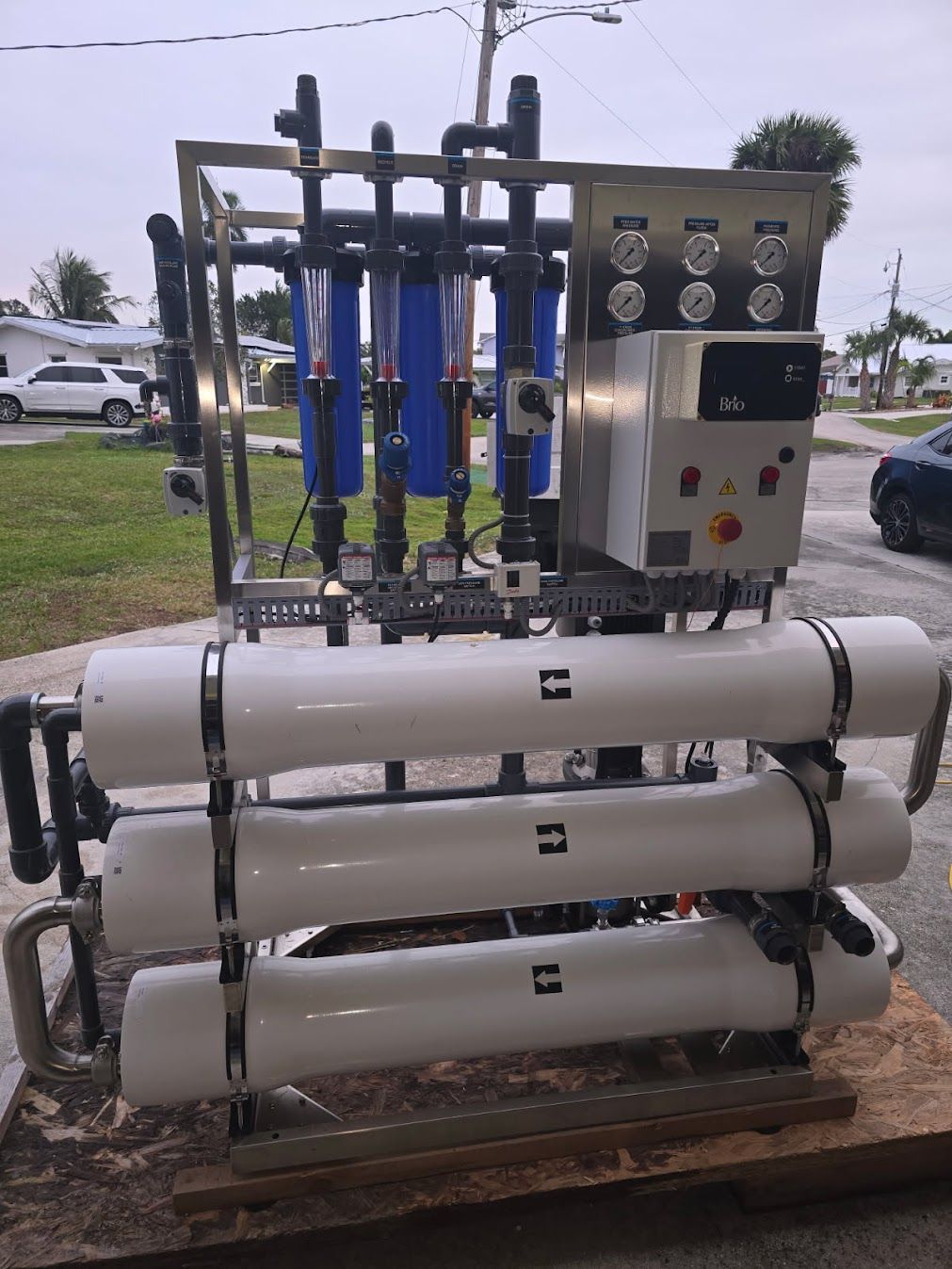
That’s why systems like reverse osmosis, carbon filtration, and whole-house water filtration are becoming increasingly useful in commercial settings.
Preventive Maintenance Is What They Really Want to See
Even if nothing is currently failing, inspectors want to see that you’re in control.
That means having a plan.
Not reacting after something breaks.
They want to know: Is this system being maintained?
Is water quality being monitored? Are problems being prevented?
This is where preventive water maintenance becomes critical.
Businesses that rely on emergency repairs instead of maintenance are always one step behind.
And inspectors can tell.
Why Businesses Get Caught Off Guard
Most inspection issues don’t come out of nowhere.
They build over time. Scale builds up.
Filters get ignored. Water quality changes.
Everything looks fine—until it isn’t.
And then it shows up during an inspection.
That’s why businesses that stay ahead of their water treatment systems rarely have problems.
The Pure Path Approach for Businesses
At Pure Path Water Systems, we approach commercial water differently.
We don’t just install systems and walk away.
We focus on understanding your water, designing the right solution
and maintaining performance over time.
That might include a
commercial water softener, reverse osmosis system
carbon filtration system or a complete commercial water filtration system.
The goal is simple. Make your water predictable.
Because predictable water means fewer problems, better performance, and smoother inspections.
Start Before the Inspection
If you’re waiting until inspection day to think about your water, you’re too late.
The right time to address it is now.
Test your water. Understand your system. Put a plan in place.
Because when your water is on the right path… everything else runs smoother.
Pure Path Water Systems. common in commercial settings.
They reduce variability. They reduce risk.
And they support consistent performance.
Final Thought: Inspections Are About Control
At the end of the day, inspections aren’t just about passing.
They’re about proving that your business is in control.
Control of your processes. Control of your equipment.
Control of your water. If your water system is working for you—not against you—
you’re already ahead. Start Before the Inspection
If you’re waiting until inspection day to think about your water, you’re too late.
The right time to address it is now.
Test your water.
Understand your system.
Put a plan in place.
Because when your water is on the right path… everything else runs smoother.
Pure Path Water Systems.